Home guide · Utah County
5 Signs Hard Water Is Quietly Wearing Down Your Utah County Home
There is rock in your water. You can't see it in the glass, but your faucets, dishes and water heater feel it every day.
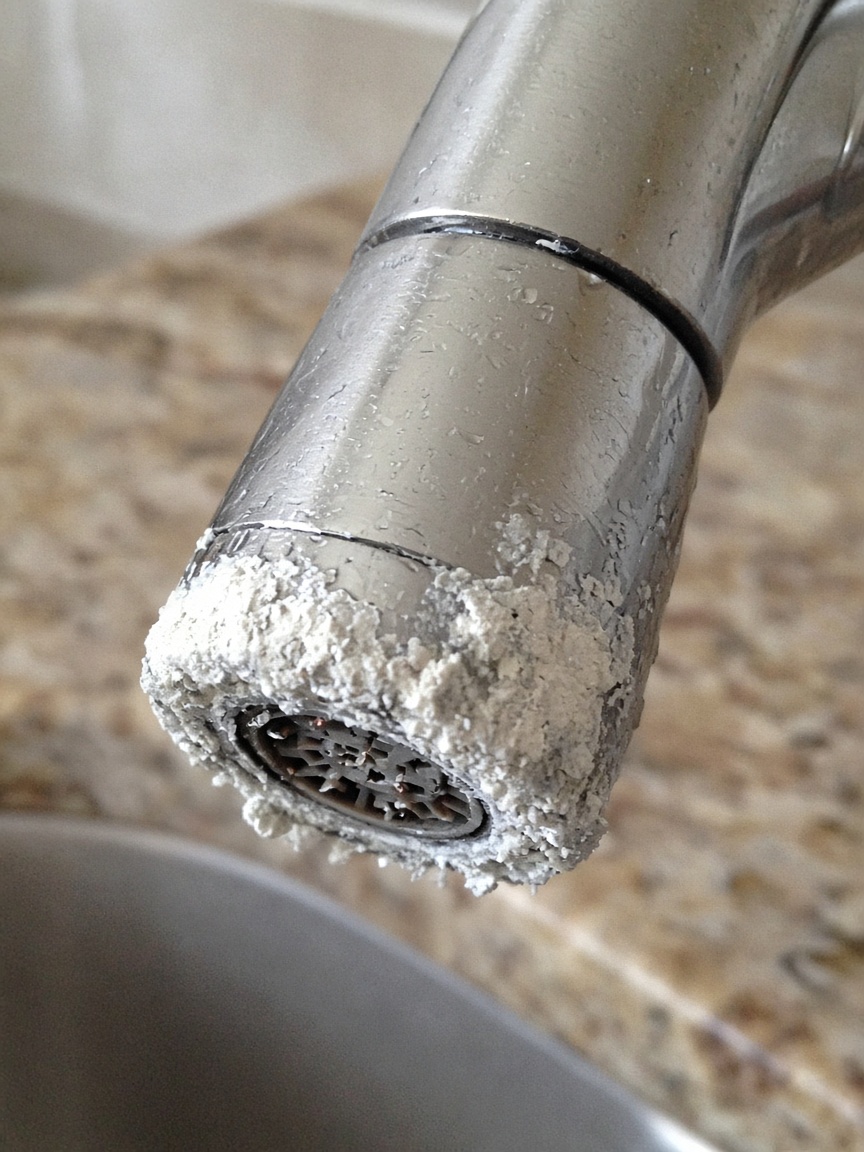
Look at the tip of your kitchen faucet right now. See that white, chalky ring? You wiped it last week. It came back. You are not a bad cleaner. In much of Utah County, the water itself is the reason.
What is "hard water," really?
Our water comes from snow, springs and wells. Before it gets to us, it runs through a lot of rock. On the way, it picks up two kinds of rock: calcium and magnesium.
Think of sugar in tea. You stir it in, and it disappears. But it is still there. Calcium and magnesium are the same. They melt into the water, so the water still looks clear.
Now think of a puddle drying in the sun. The water goes away. Whatever was in it stays behind. That is what happens on your faucet. The water dries. The rock stays. Drop after drop, it builds a crust.
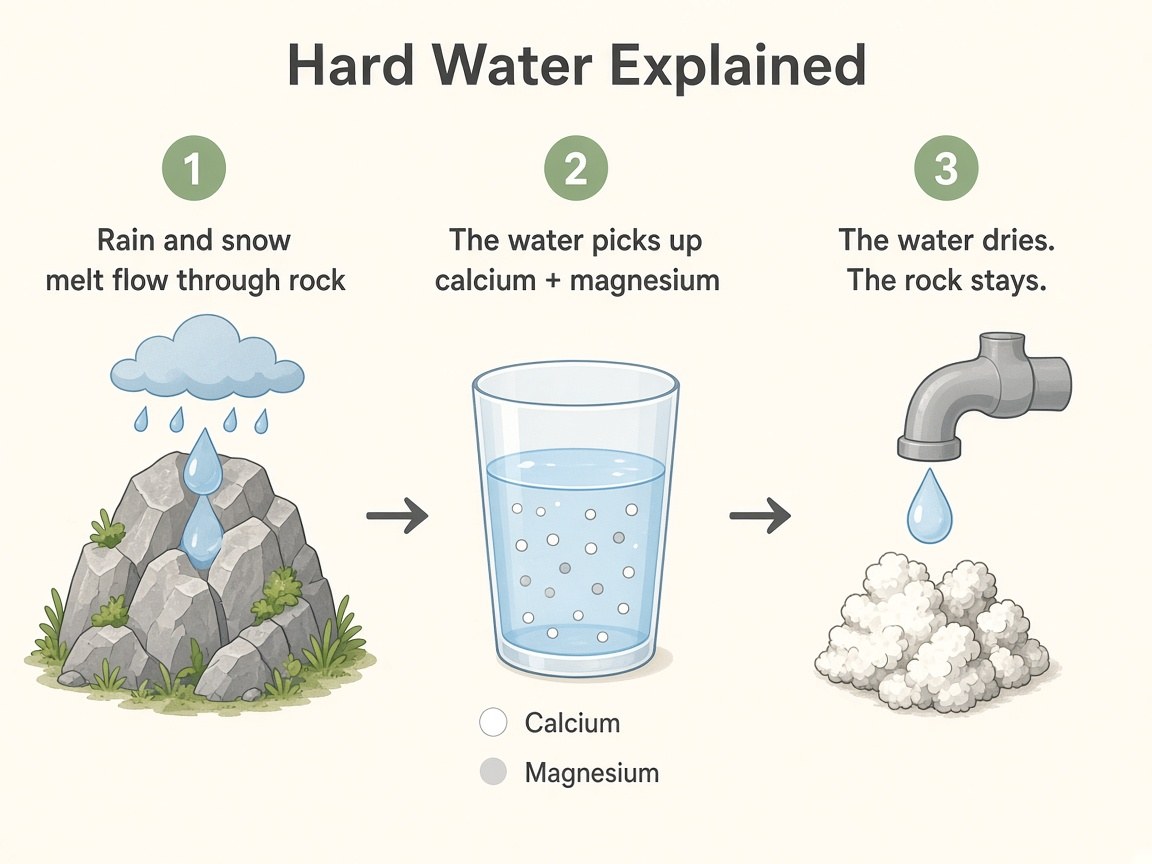
When water has a lot of this rock in it, we call it hard water. Cities measure it in "grains per gallon." Provo says its water is about 10 to 15 grains per gallon. Orem lists about 7 to 25, based on the source.
The U.S. Geological Survey calls anything over about 10.5 grains "very hard." A lot of homes here are in the top group.
1White crust on faucets and shower heads
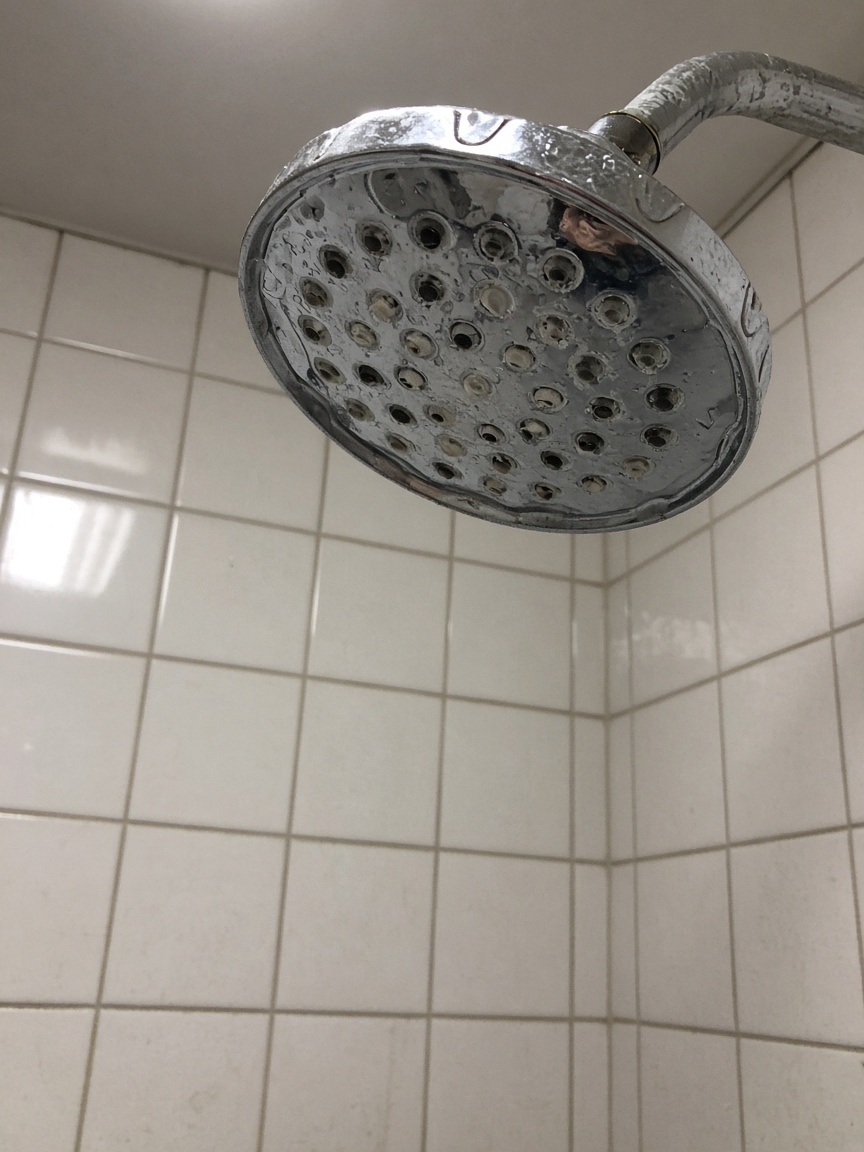
That white ring is the rock we just talked about. It loves small holes. So it clogs the little holes in your shower head first.
In a lab study by the Battelle Memorial Institute, shower heads on hard water lost 75% of their flow in less than 18 months. The screens in hard-water faucets were almost fully plugged after the same use as about 19 days.
2Spots on your "clean" dishes
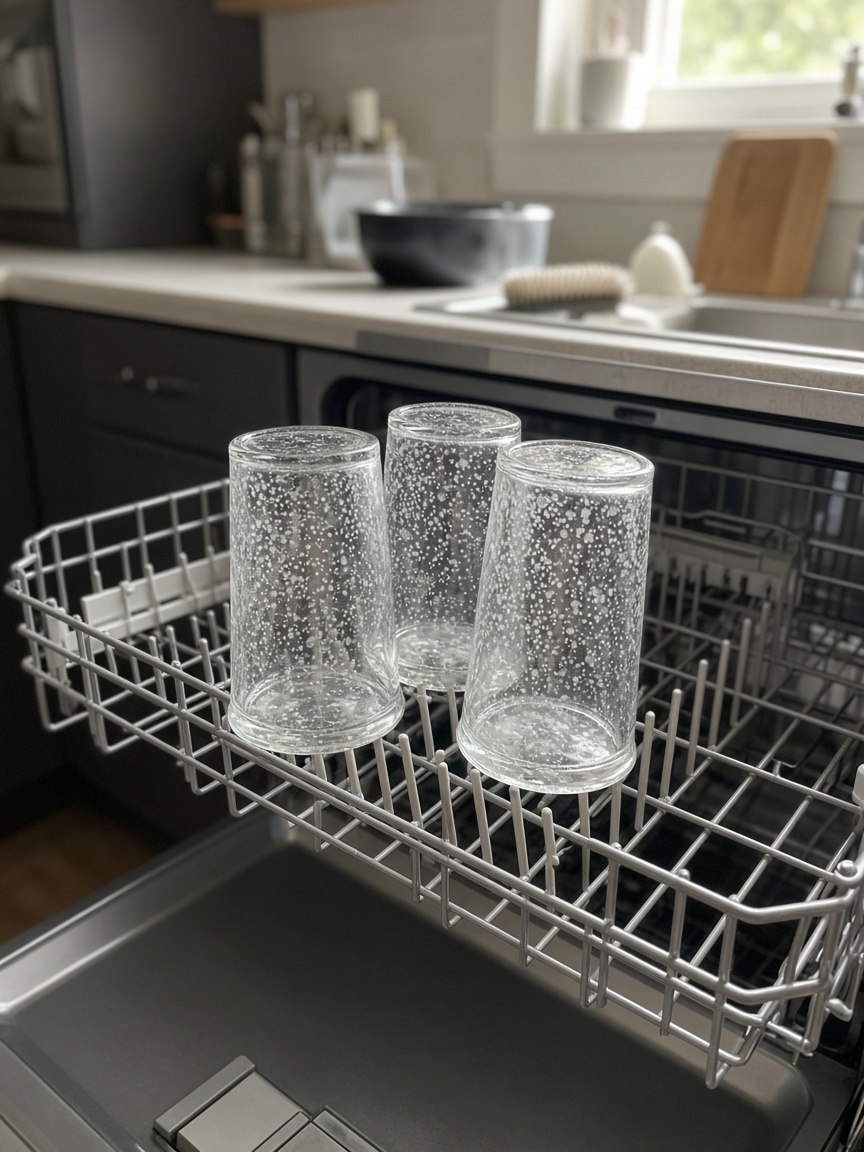
You open the dishwasher. The glasses look cloudy, with little white dots. It's the same rock. It dries onto glass the same way it dries onto a faucet.
The same study ran dishwashers and washing machines for 30 days. The ones on soft water were nearly free of scale. The ones on hard water needed the scale cleaned out to work well. After one month.
3Soap that won't make suds
The rock in hard water grabs onto soap. So you get fewer suds, and you need more soap to get clean. Provo's water report says this too.
It's like trying to wash with a sponge that is already full of dirt. Some people also feel a film on their skin after a shower. That is often soap that did not rinse off.
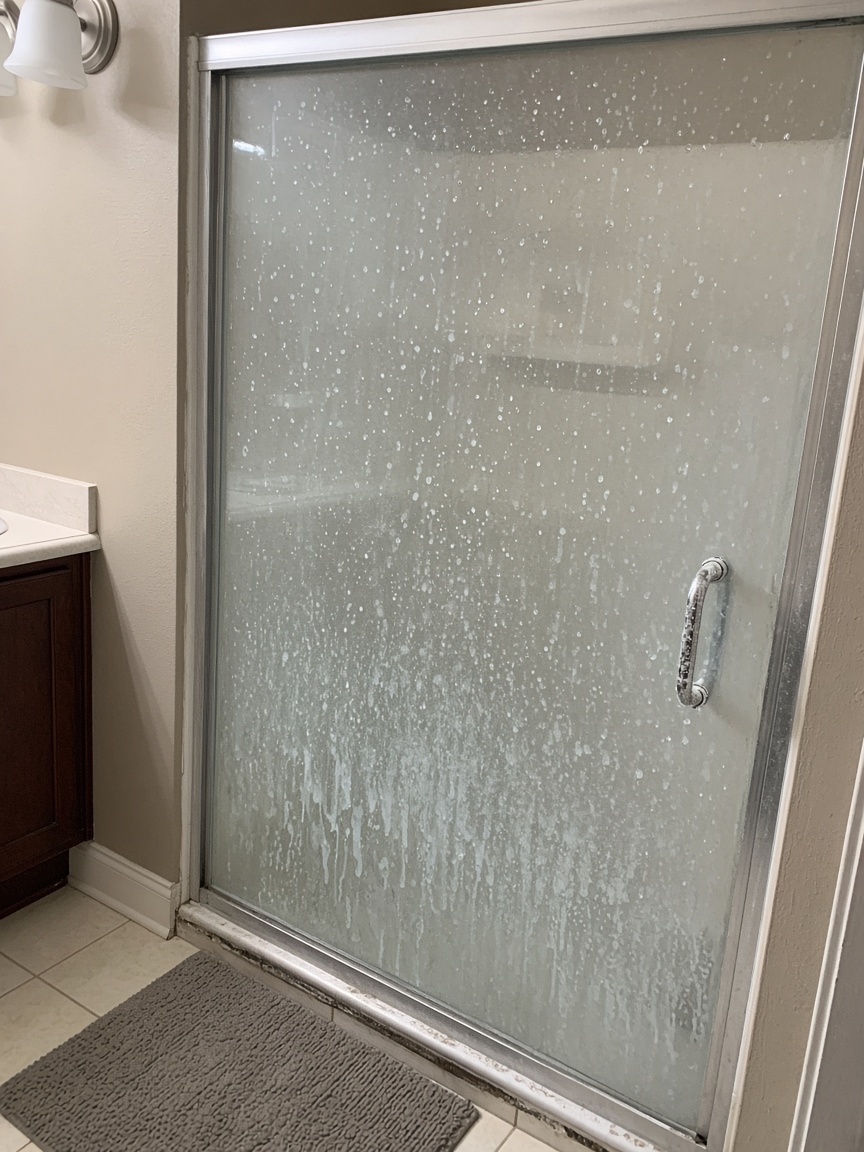
4Stiff towels and dull clothes
Do towels feel scratchy, even fresh out of the dryer? Do dark clothes look a bit gray?
When soap can't do its job, a little soap and a little rock stay in the cloth. Washing again won't fix it. You are washing in the same water.
5A water heater that pops or rumbles
This one hides in the garage. When you heat hard water, the rock comes out fast. You have seen this in a tea kettle. The white flakes inside are the same rock.
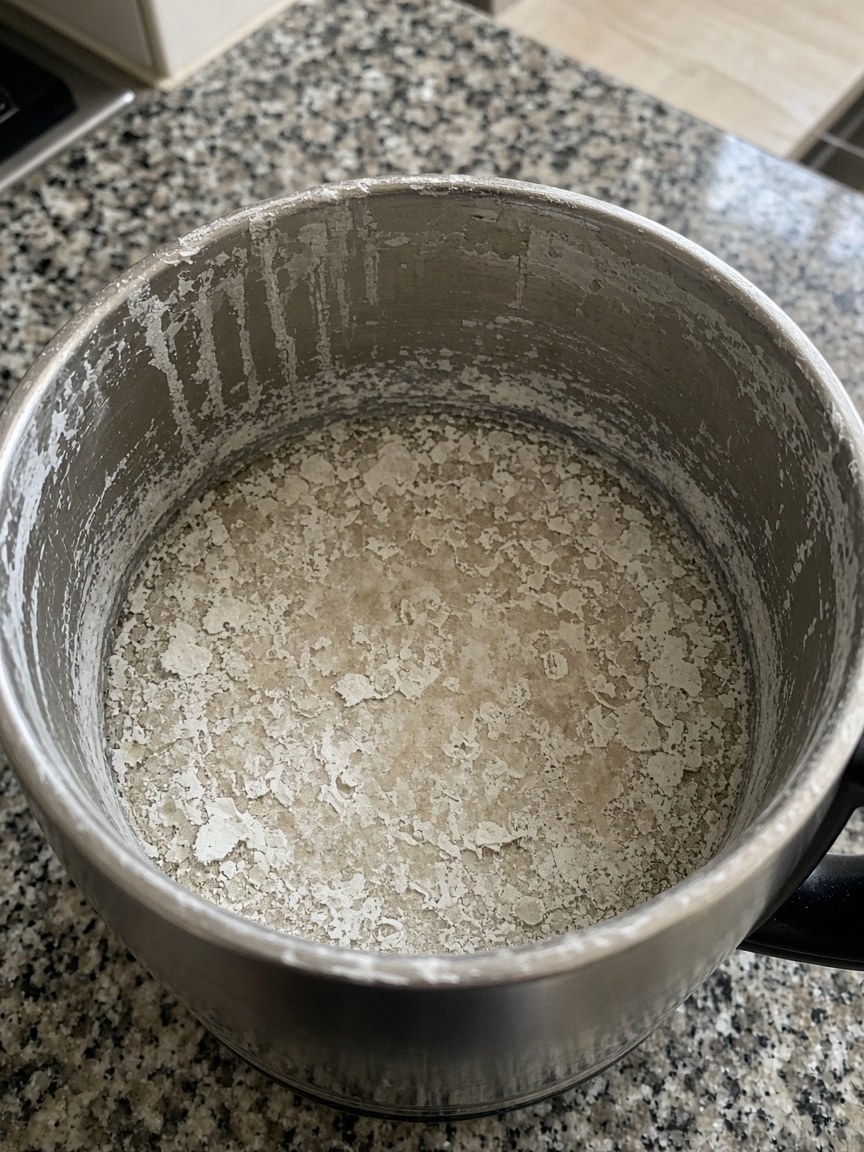
In a water heater, the rock sinks to the bottom like sand. The burner has to push its heat through it. It's like cooking with a thick blanket over the pan. Sometimes you can hear it pop.
Here is what Battelle found:
- A gas water heater loses about 4% of its efficiency for every 5 grains of hardness. At 15 grains, that is about 12% more to heat the same water.
- At 30 grains, the loss was up to 24%.
- Tankless water heaters on very hard water (26 grains) stopped working after about 1.6 years of use because scale plugged the pipes.
- Electric water heaters can collect up to 30 pounds of rock-like scale.
The water heaters on soft water? They kept their factory efficiency for 15 years.
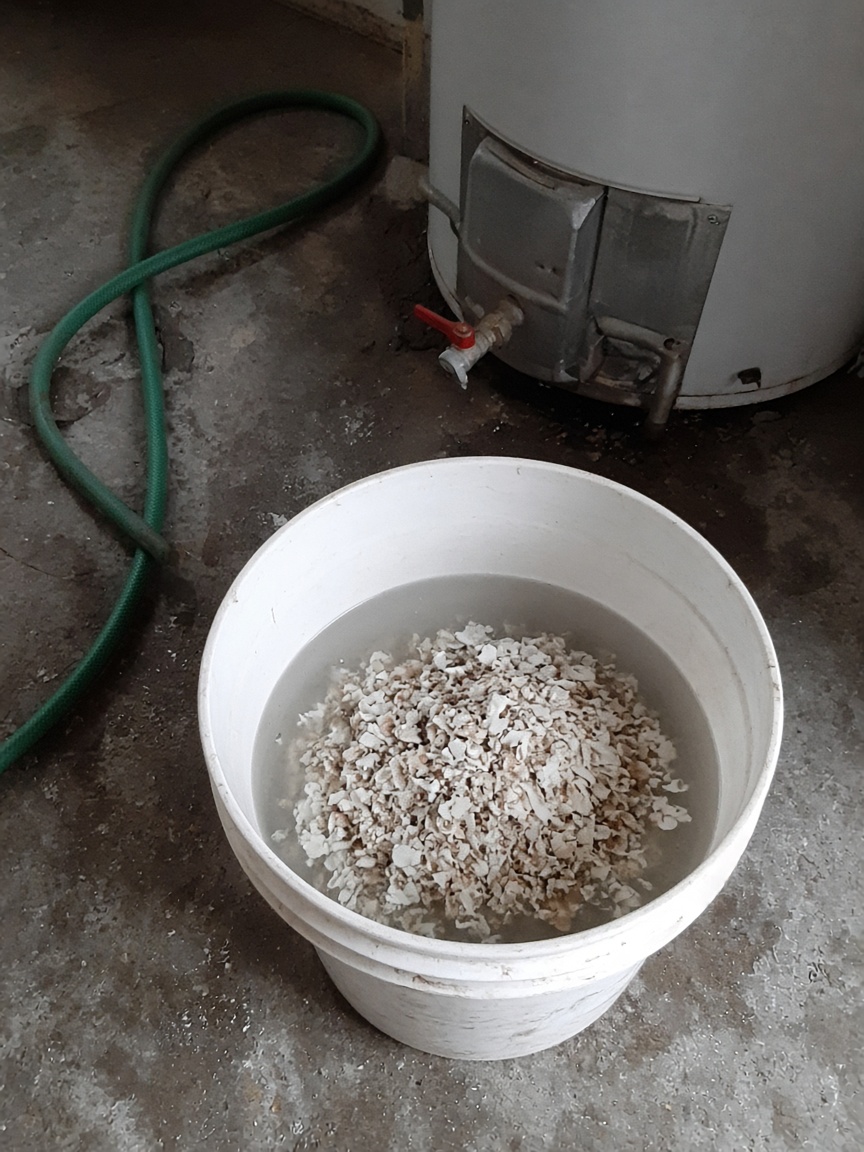
Why scrubbing never wins
Vinegar on the faucet. Spray on the shower door. Rinse aid in the dishwasher. A filter on the shower head.
These help for a few days. But they all clean up after the rock is already there. Turn on the tap, and new rock comes right in.
It's like mopping the floor while the roof still leaks. You can mop every day. The floor keeps getting wet. And you can't mop the inside of a water heater at all.
Get to the water before it gets to your home
Here is the big idea. Your house has one main pipe where water comes in. Every drop for every faucet, shower and machine goes through that one spot.
So you can fight the rock at 20 places in your house, forever. Or you can stop it once, at the door.
Think of muddy boots. You can scrub mud off the carpet in every room. Or you can take the boots off at the front door. The door is easier.
Or think of a coffee filter. You don't pick the grounds out of each cup. You catch them once, before the coffee pours.
What does that: a water softener
A water softener sits where the water comes into the house. Most of the time, that's in the garage, next to the water heater.
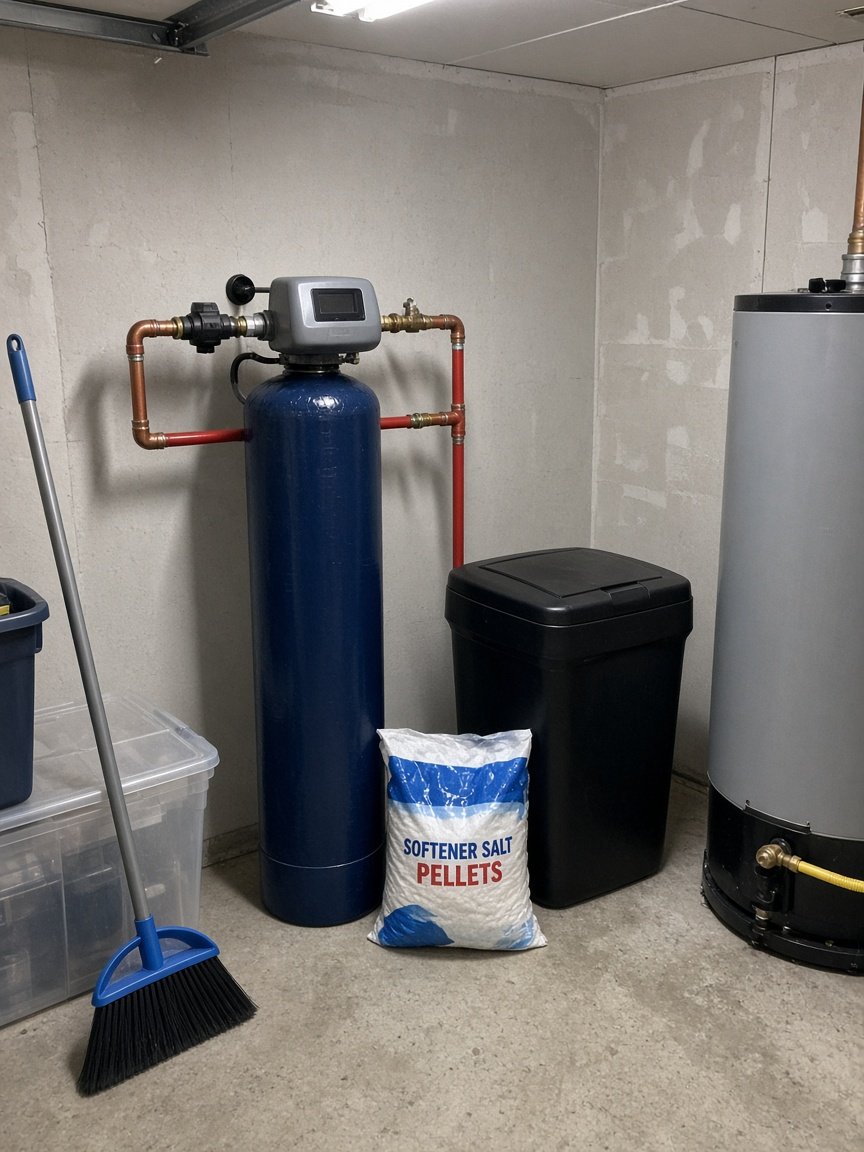
Inside the tall tank are tiny beads. Think of them like magnets for rock. As the water flows past, the beads grab the calcium and magnesium. Soft water comes out the other side.
The short tank holds salt. Every so often, the softener rinses the beads with salt water. That cleans them off so they can grab more rock. Like rinsing a sponge so it can soak up again.
Because it's at the door, it helps everything at once: the faucets, the shower, the dishwasher, the washer and the water heater you never see.
The first step: know your number
Hard water is not the same on every street. Your home could be at the low end or the high end of the city range.
So before you buy anything, find out how hard your water is. Then you can decide if a softener makes sense, and what size fits your home. Provo's report says a softener should be set to match your water's hardness.
See how hard the water is at your home
Find out your water's hardness and what it means for your house.
Check my home's water →Sources: Battelle Memorial Institute for the Water Quality Research Foundation, "Softened Water Benefits Study" (2009; executive summary, WQRF): water heater efficiency (4% per 5 gpg; up to 24% at 30 gpg; softened units kept factory efficiency over 15 years), tankless failure at 1.6 years on 26 gpg, up to 30 lb scale in electric heaters, showerheads lost 75% flow in under 18 months, faucet strainers nearly plugged after 19 equivalent days, dishwashers/washers needed descaling after 30 days. Provo City 2025 Water Quality Report (10–15 gpg; soap, appliances, softener settings). City of Orem 2026 Water Quality Report (7–25 gpg). U.S. Geological Survey, "Hardness of Water" (over 180 mg/L, about 10.5 gpg, is very hard).
A Utah County homeowner guide